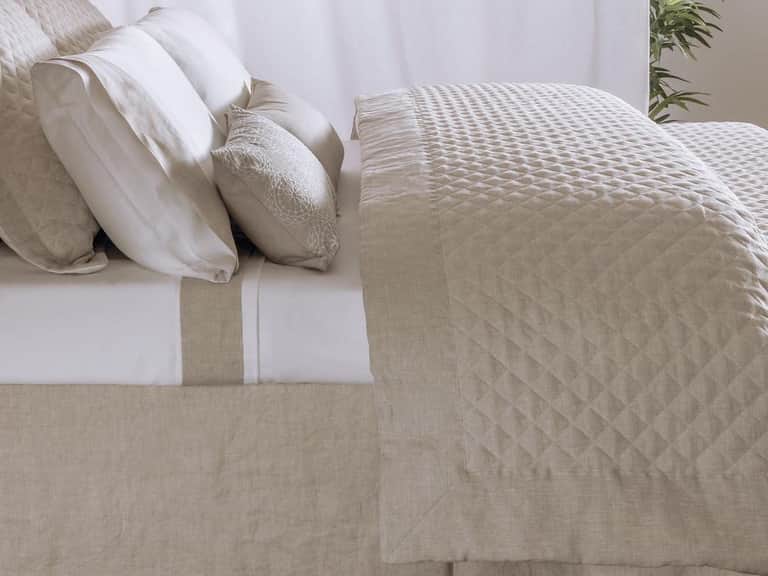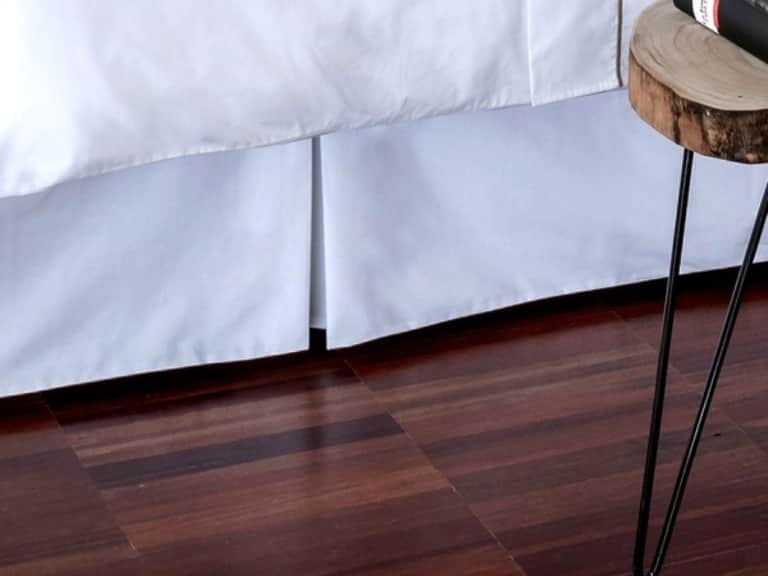
Bovi Simply Percale Bed Skirt
Experience cool, crisp cotton comfort with a tailored, hotel-finish look. The 18" drop hides boxes and dust, while pleated detail adds subtle elegance—giving your bed a neat, serene, breathable foundation.
This feature explores bed frame selection through the lens of durable materials, thoughtful design, and real-world longevity. Drawing on historical craft, contemporary UK-informed guidance, and non-promotional clarity, it navigates how frame choices interact with mattresses, foundations, and the sleep environment.
In the quiet architecture of a bedroom, the bed frame is more than a support. It anchors your mattress, supports your posture, and shapes the room’s silhouette. The right frame distributes weight evenly, resists wobble, and endures the daily rhythms of life—from a restless toddler’s thrash to the measured routine of an adult night shift. A robust frame reduces micro-movements that wake sleepers, contributes to consistent mattress wear, and aids in maintaining a clean, grounded bedroom aesthetic. This guide invites you to evaluate frames with a discerning eye, balancing comfort, durability, and suitability for the UK climate and living spaces.
We approach bed frames through a practical, non-promotional lens. While the topic intersects with brands and products, the emphasis remains on principles—how materials behave, how construction matters, and how longevity is earned through design discipline.
Across centuries, three influential voices illuminate the evolution of how we think about beds, frames, and sleep spaces. They anchor our understanding of craft, proportion, and the social meanings of rest.
Material selection is the first compass for a frame’s performance. Each material brings a different set of strengths, maintenance needs, and long-term behavior in a temperate climate like the UK’s.
Solid wood frames offer timeless warmth and proven durability when properly joined. They resist indentation and can be resurfaced or refinished to extend life. In practice, kiln-dried hardwoods such as beech, oak, or ash are favored for their dimensional stability. A well-crafted mortise-and-tenon or dowel joinery system with reinforced corners provides resilience against wobble. Wood’s natural responsiveness to humidity means it is essential to monitor for seasonal expansion or contraction; the UK’s damp conditions can influence grain movement over time. Regular maintenance—gentle cleaning and occasional oiling or wax application—helps sustain the finish and longevity.
Engineered wood offers dimension stability, cost efficiency, and lighter mass. Modern bed frames often rely on layered plywood or high-density fiberboard with a solid mechanical backbone. The advantage is predictable behavior under load, even in varying humidity, along with design versatility. The trade-off is susceptibility to moisture if not properly sealed and potential long-term wear at joints if tolerances are not well controlled. Care involves guarding against moisture exposure and avoiding aggressive moisture-rich environments for extended periods.
Metal frames bring industrial clarity and often superior resistance to track wear and bed-squeak phenomena when manufactured with robust welds or bolt joints. Powder-coated finishes resist chipping and corrosion, contributing to longevity in busy households. The right metal frame integrates with the mattress foundation to minimize noise and micro-movements. In spaces with limited floor loads, metal frames with a reinforced central rail system can reduce the risk of sagging, while remaining visually light and adaptable to different bedroom aesthetics.
Many contemporary frames blend materials—solid wood legs with engineered wood rails, or metal hubs with wooden slats. These hybrids aim to optimize weight distribution, noise reduction, and tactile feel. When evaluating hybrids, consider joint interfaces, the durability of hardware, and whether the frame accommodates your mattress system (box springs, slatted bases, or hybrid foundations) without compromising stability.
The geometry of a bed frame influences sleep quality in tangible ways. A frame’s overall stiffness, the presence of central support, and the spacing of slats all interplay with mattress performance. A common principle is that a mattress should be well-supported across its length and width, with minimal risk of sagging and creasing that could disturb alignment during the night.
Slat systems, whether fixed or adjustable, can affect edge support and the bed’s surface uniformity. Solid-wood slats offer a natural rigidity, while engineered slats can provide consistent spacing and resilience. In urban UK bedrooms where space is at a premium, many frames use a modest set of central supports or a reinforced beam to maintain rigidity without intruding on under-bed storage areas.
Edge support preserves mattress integrity around the perimeter, aiding ingress and egress. Reliable edge reinforcement at the frame perimeter reduces lateral compression and helps prevent premature mattress wear. For households with elderly sleepers or those who rise and sit at the edge, edge stability becomes a practical, daily comfort feature.
Assembly quality matters. Frames with robust hardware—quality bolts, reinforced joints, and secure connectors—tend to endure. A frame that ships with clearly labeled instructions and a sensible approach to tightening can prevent warping or looseness over time. Maintenance includes periodic check-ins: tighten bolts, inspect leg fittings, and ensure slats remain correctly aligned. This attentiveness translates into years of dependable use.
In the United Kingdom, consumer protections, warranty expectations, and local distribution practices shape how we shop for bed frames. Reputable brands emphasize warranty clarity, ensuring coverage for structural components and hardware against manufacturing defects. Local regulations may influence packaging, transport handling, and assembly instructions to ensure safety and accessibility.
When weighing options, consider warranty length, what is covered (frame structure, joints, slats, hardware), and whether there are conditions for coverage related to assembly or weight limits. A longer warranty often signals confidence in construction quality and material selection, offering a practical safety net for the consumer.
In an era of heightened environmental awareness, many UK buyers look for sustainably sourced timber, low-VOC finishes, and responsible manufacturing practices. Certifications such as FSC or PEFC labels—while not universal—provide helpful signals about responsible sourcing. Hybrid frames that maximize longevity while minimizing resource impact can be particularly compelling for readers attentive to ecological considerations.
Size and proportion matter. In compact bedrooms, slat systems that sit closer to the mattress edge can maximize usable surface without encroaching on floor space. For guest rooms or multi-purpose spaces, foldable or modular frames can offer versatility without compromising sleep quality. The frame should harmonize with existing foundations and bed configurations to avoid misalignment or structural incompatibilities.
A non-promotional approach asks readers to weigh trade-offs without the pressure of sales-driven language. The following framework helps readers compare options on three pillars: materials and construction, support and design, and practical considerations for living spaces.
In the spirit of the Direction A identity—an informational, evidence-based resource—the article deliberately omits overt product endorsements. However, readers may encounter exemplars of quality in the marketplace. For concrete examples that align with practical, non-promotional guidance, consider examining frames from well-regarded brands and evaluating them against the criteria above.
As part of understanding layered bedroom aesthetics, consider the Bovi Simply Percale Bed Skirt as an example of how finishing touches frame a well-conceived bed setup. While this article centers on frames, the bed skirt demonstrates how complementary components—fabric finishes, precise tailoring, and thoughtful detailing—contribute to the overall sleep environment. The 18-inch drop and the perpendicular line of pleated detailing echo a philosophy of measured, restrained elegance that pairs well with sturdy frames and the right mattress system.
Product: Bovi Simply Percale Bed Skirt
Price: 272.00 GBP
Notes: 100% cotton percale, white, 18-inch drop, tailored finish.
Contextual Insight: The bed skirt illustrates how a complete sleep space is more than the frame alone. It bridges function (concealing under-bed storage) with aesthetics (clean lines and a hotel-inspired silhouette). This echoes the editorial stance of bed frame analysis: cohesion matters in boosting perceived sleep quality and room calm.
The bed frame, as a cornerstone of the sleep environment, deserves thoughtful consideration. By weighing materials, construction quality, and design intent, readers can choose a frame that not only supports a healthy night’s rest but also endures as a quiet, essential element of a well-designed bedroom. In the cadence of the National Geographic voice—curious, precise, and anchored in observation—this guide seeks to illuminate the path from first impressions to durable, long-term satisfaction. The ultimate frame is one that remains faithful to the body’s needs, the room’s proportions, and the rhythms of daily life.